From Data to Decisions: Applying Ecommerce Analytics to Optimize Your Multi-Channel Framework
Ecommerce analytics function as a fundamental pillar for companies seeking to enhance their omnichannel frameworks. By transforming raw data into valuable insights, organizations can improve customer interactions and streamline marketing strategies. Critical metrics uncover trends in consumer behavior, supporting well-informed business decisions. However, the challenge of properly harnessing this data is frequently intricate. Grasping the complexities of these analytics can expose considerable opportunities for businesses operating within a competitive environment. What measures should be implemented to capitalize on this potential?
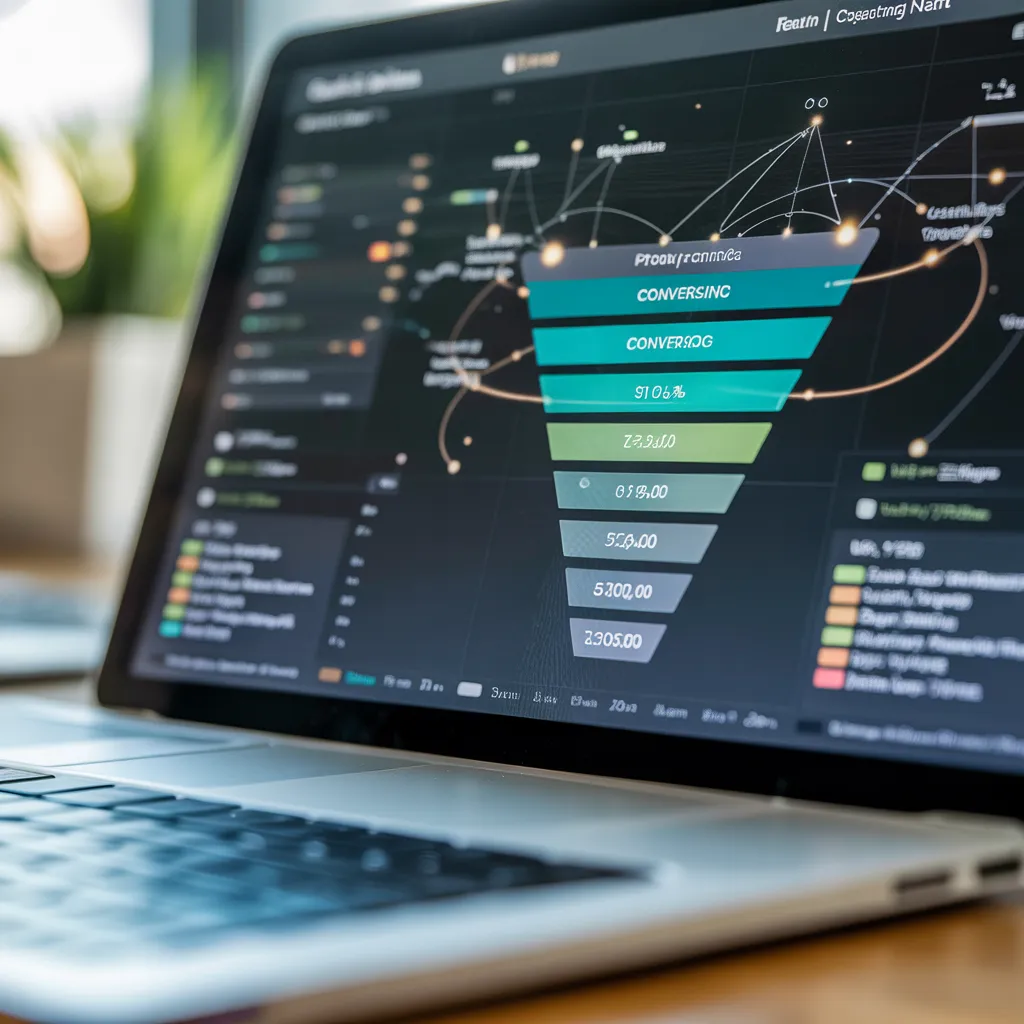
Unpacking Ecommerce Analytics: Why It Is Essential
Within an ever-growing competitive digital space, comprehending ecommerce analytics is vital for companies aiming to improve their results. Ecommerce analytics encompasses the collection and analysis of data related to online shopping behaviors, sales trends, and customer interactions across various platforms. By capitalizing on these insights, businesses can pinpoint the factors that boost customer engagement and conversion rates.
Furthermore, ecommerce analytics allows organizations to evaluate the effectiveness of their marketing campaigns, inventory management, and overall user experience. This insight enables companies to reach informed decisions, refine their offerings, and boost customer satisfaction. Since consumers increasingly engage across multiple platforms, comprehending the subtleties of their behaviors becomes essential for sustained growth. In the end, a deep understanding of ecommerce analytics furnishes businesses with the capabilities required to adapt to market changes and strengthen their competitive edge in a rapidly evolving environment.
Fundamental E-commerce Data Measures for Multi-Channel Growth
Which metrics are critical for navigating the challenges of a multi-channel ecommerce approach? Essential performance indicators (KPIs) including conversion rate, customer acquisition cost, and average order value function as core metrics. Conversion rate tracks the proportion of visitors who finalize a purchase, underscoring the efficiency of marketing initiatives across channels. Customer acquisition cost indicates the resources necessary to secure new customers, empowering businesses to measure their marketing strategies' performance. Average order value offers visibility into purchasing patterns, informing pricing and promotional decisions.
Furthermore, performance indicators such as customer lifetime value (CLV) and return on advertising spend (ROAS) deliver greater understanding of long-term customer engagement and profitability. Analyzing these measurements helps online retailers to optimize resource allocation, identify successful channels, and enhance overall performance. By prioritizing these key metrics, organizations can develop strategic insights that support multi-channel achievement.
How to Gather Data Across Multiple Platforms
Comprehensive data acquisition across multiple platforms is essential for optimizing a multichannel ecommerce approach. Businesses can employ numerous tools to obtain insights from different sources, including social media, websites, and email campaigns. Using analytics tools like Google Analytics enables tracking of user behavior and conversion metrics throughout all channels.
Implementing CRM platforms allows businesses to consolidate user data, offering a thorough view of customer habits and preferences. Furthermore, utilizing APIs supports smooth data exchange among systems, guaranteeing up-to-date information and analytics.
Surveys and feedback forms can also be valuable for collecting qualitative data directly from customers. By employing these techniques, businesses can establish a powerful data ecosystem that improves decision-making processes. This thorough approach to data collection not only deepens understanding of customer journeys but also establishes the foundation for future personalized experiences.
Using Customer Behavior Data to Personalize Shopping Experiences
Within the realm of ecommerce, leveraging customer behavior data can significantly improve the overall buying experience. By introducing personalized product suggestions, businesses can steer shoppers toward offerings that suit their needs. Moreover, dynamic pricing strategies allow for real-time adjustments that reflect individual buying patterns, optimizing both customer interaction and revenue.
Personalized Product Suggestions
Personalized item suggestions greatly enhance the e-commerce experience by utilizing consumer behavioral insights. By evaluating past purchases, navigation patterns, and product ratings, online retail platforms can develop personalized suggestions that align with personal tastes. This precise method not only increases customer satisfaction but also fosters brand loyalty, as buyers feel acknowledged and respected. Furthermore, applying artificial intelligence tools allows companies to improve their recommendations over time, responding to changing consumer trends and preferences. As a result, tailored recommendations drive higher conversion rates and typical transaction amounts, thereby resulting in greater financial returns. By prioritizing personalized experiences, merchants can successfully distinguish themselves in a competitive market. This strategy exemplifies how data-driven insights can revolutionize the purchasing experience into a deeply personalized and compelling experience.
Dynamic Pricing Strategies
Dynamic pricing strategies revolutionize how digital commerce companies respond to customer behavior, allowing for real-time adjustments based on demand, competition, and individual purchasing patterns. By examining consumer information, organizations can uncover tendencies and preferences, customizing pricing to improve the buying journey. For instance, prices may fluctuate based on the time of purchase, seasonal factors, or customer profiles, effectively enticing potential buyers. This approach not only maximizes revenue but also improves customer satisfaction by providing tailored offers. Additionally, merging adaptive pricing with business intelligence creates a market advantage, as organizations can quickly adjust to marketplace fluctuations. Ultimately, utilizing consumer behavior insights for rate-setting reshapes standard transactions into individualized engagements, driving loyalty and long-term growth in a cross-platform marketplace.
How to Utilize Data to Strengthen Marketing Strategies
Successful marketing approaches depend on an in-depth knowledge of target audience analysis and campaign performance metrics. By utilizing data-driven insights, organizations can refine their marketing strategies to connect with targeted consumer groups. This targeted approach not only strengthens consumer interaction but also maximizes overall marketing impact.
Target Audience Evaluation
Understanding the core audience is vital for enhancing marketing approaches in a multi-platform ecommerce landscape. By utilizing analytical data, businesses can identify demographic patterns, inclinations, and purchasing behaviors. Categorizing the audience based on such findings enables personalized marketing initiatives that engage more meaningfully. For illustration, analyzing user interactions across various platforms can highlight which channels yield the highest engagement, directing resource distribution. Furthermore, understanding psychographics enables businesses to develop messaging that reflect their audience's values and lifestyle. Ongoing analysis of market data ensures that promotional strategies stay current and adaptive to evolving consumer behaviors. In conclusion, a well-informed target audience analysis enhances the precision of marketing efforts, boosting customer acquisition and retention outcomes.
Campaign Performance Indicators
Examining marketing performance data offers actionable intelligence that can strengthen advertising efforts in a diverse ecommerce environment. By tracking core performance factors such as conversion rates, advertising return metrics (ROAS), and consumer participation, organizations can identify which platforms produce the greatest return on investment. Reviewing metrics like click-through rates (CTR) and mean transaction value (AOV) allows marketing professionals comprehend customer patterns and inclinations. Additionally, segmenting data timely resource by demographics or channel allows for focused strategy refinements, guaranteeing optimal resource distribution. Regularly reviewing these indicators encourages a culture of data-driven decision-making, empowering marketers to refine their strategies in real-time. At its core, harnessing performance data is fundamental for enhancing promotional performance and driving consistent expansion in a rapidly evolving online retail landscape.
Developing a Fluid Customer Journey Through Insights
A strategically built customer journey can greatly enhance a organization's ability to attract and keep customers across various platforms. By leveraging ecommerce analytics, businesses can obtain critical information into customer actions and interests. This intelligence allows for the recognition of key touchpoints where customers interact with the company, enabling a highly tailored experience.
Understanding the customer journey requires examining data from various sources, such as web activity, social platform activity, and email responses. These insights can help organizations improve their messaging and personalize outreach to individual needs, creating a seamless journey. Additionally, monitoring client responses and concerns opens doors for ongoing enhancement.
In the end, a frictionless customer journey not only builds loyalty but also boosts conversion rates. By employing analytics efficiently, brands can create a holistic approach that connects with customers, motivating them to participate across multiple platforms while solidifying their connection to the brand.
Ecommerce Analytics Wins From Top-Performing Brands
Achievement in ecommerce analytics is often showcased through the transformative journeys of top brands. Brands such as Amazon and Nike exemplify how analytics-driven approaches can strengthen customer engagement and drive sales. Amazon leverages sophisticated algorithms to analyze purchasing patterns, facilitating customized recommendations that significantly increase overall conversion rates.
Nike, alternatively utilizes data analytics to enhance its multi-channel strategy. Through the combination of digital and physical data, Nike has improved inventory management and tailored its marketing efforts, driving greater customer retention and financial growth.
Comparably, Sephora as a leading retailer leverages advanced analytics to enhance its customer experience through targeted promotions and loyalty programs, leading to stronger retention outcomes. Such success stories highlight the remarkable influence ecommerce analytics delivers, allowing companies to make informed decisions and refine their strategies effectively. As market dynamics shift, the capacity to analyze data will remain a critical factor for excelling in the dynamic ecommerce landscape.
Frequently Asked Questions
How Regularly Should I Analyze My Ecommerce Analytics Data?
Routinely examining ecommerce analytics data at least once a week empowers organizations to recognize trends, enhance strategies, and arrive at well-informed decisions. Monthly thorough reviews also strengthen awareness of and flexibility toward evolving market forces.
What Tools Are Best for Tracking Multi-Channel Performance?
SEMrush, Google Analytics, and HubSpot are exceptional platforms for measuring multi-channel performance. They provide extensive analytics, enabling users to analyze data across various platforms, improve campaign strategies, and boost overall marketing performance for better decision-making.
Can Analytics Be Integrated With My Existing CRM System?
Integrating analytics with an existing CRM system is indeed possible. A wide range of CRM platforms include built-in tools or compatible plugins designed to support data synchronization, allowing businesses to utilize insights for enhanced customer engagement and better decision-making.
How Do I Ensure Data Privacy in My Analytics Approach?
To guarantee data confidentiality in analytics, organizations should adopt strong encryption, perform routine audits, and comply with regulations like GDPR. Educating staff on data management practices helps secure confidential data while upholding client confidence.
Which Common Mistakes Should I Avoid When Using Ecommerce Analytics?
Typical missteps in digital commerce analytics include overlooking data precision, failing to set clear objectives, overlooking customer segmentation, neglecting mobile performance data, and failing to consistently analyze findings. These oversights can obstruct efficient decision-making and the development of effective strategies.