Opening Doors to Success: Multi-Channel E-Commerce Analytics Services
Throughout the current e-commerce space, businesses face increasing rivalry and complexity. Omnichannel analytics platforms offer a path to extract insights from various distribution platforms, surfacing mission-critical insights into customer behavior and preferences. This unification not only perfects stock management but also strengthens advertising strategies. Still, understanding how to effectively engage these analytics persists as a challenge. Which strategies can firms implement to truly gain advantage on this treasure trove of information?
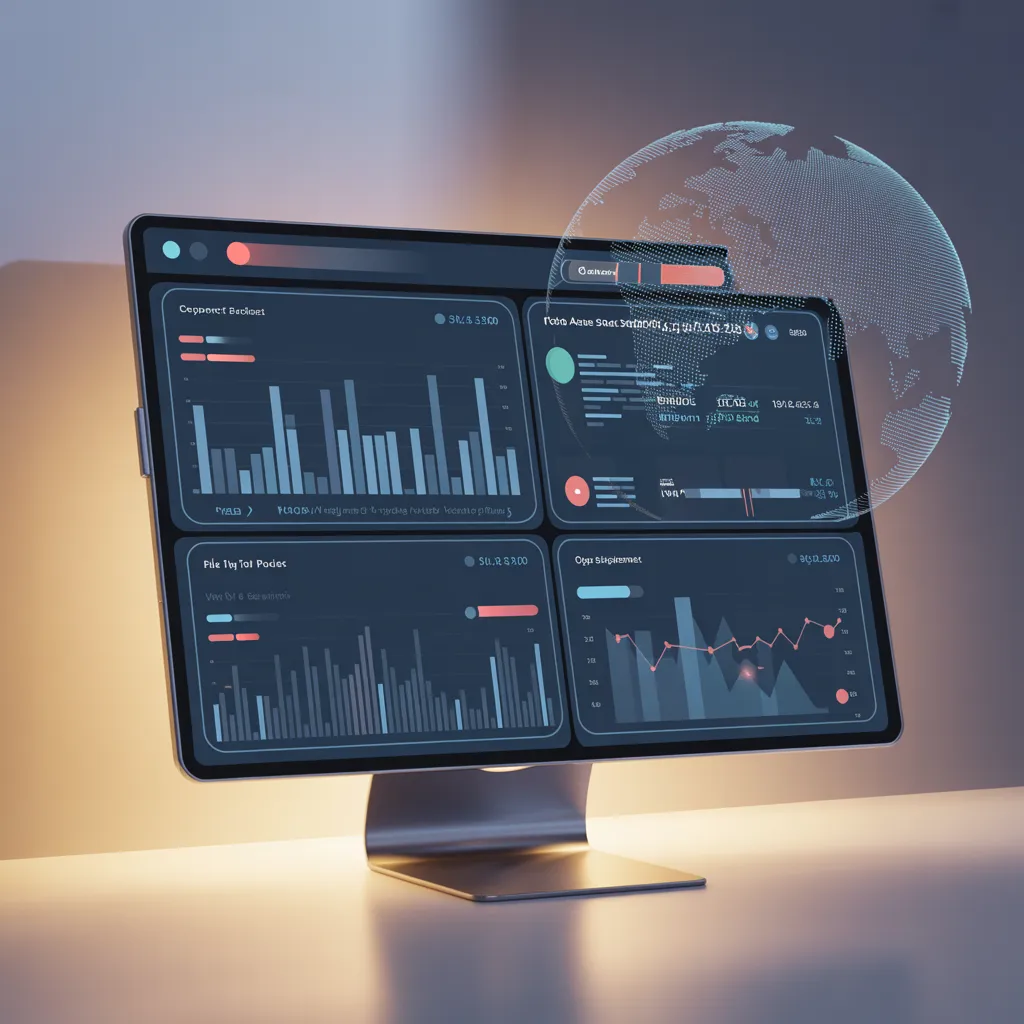
What You Need to Know About Multi-Channel E-Commerce Analytics
Deciphering omnichannel e-commerce intelligence is fundamental for organizations determined to strengthen their web footprint. This analytical process encompasses processing and analyzing data from multiple sales distribution points, such as digital storefronts, social media platforms, and online venues. By tapping into these insights, businesses can reach a complete grasp of customer behavior and preferences throughout various channels.
Key elements of multi-channel analytics include tracking measurements like conversion rates, customer acquisition costs, and average order values. Companies can determine which platforms drive the most traffic and sales, allowing for informed marketing strategies. Additionally, understanding customer journeys across multiple touchpoints helps in tailoring experiences that enhance engagement and satisfaction.
Implementing multi-channel analytics into business decisions not only strengthens organizational productivity but also provides enterprises to adjust rapidly to market trends. Ultimately, a powerful multi-channel analytics framework is necessary for securing competitiveness in the fast-changing e-commerce sector.
Key Advantages of Multi-Channel Reporting for E-Commerce Performance
As businesses increasingly utilize multiple sales channels, the benefits of omnichannel data analysis are clear in boosting e-commerce success. One significant benefit is the comprehensive understanding it provides of customer behavior across channels. By aggregating data from various sources, companies can recognize trends and preferences, allowing targeted marketing strategies.
Additionally, multi-channel analytics supports enhanced inventory management. Enterprises can track sales performance across channels, ensuring correct stock levels and reducing overstock or stockouts.
Another benefit is improved customer engagement. By comprehending how clients engage with different channels, companies can customize their communications and promotions, resulting in a more customized shopping experience.
Moreover, multi-channel analytics aids determining the effectiveness of promotional strategies. Businesses can pinpoint which channels provide the highest investment returns, allowing informed financial planning. As a whole, these positive attributes work in concert to support implementing metrics-based decisions that propel e-commerce advancement.
Finding the Perfect Multi-Channel Analytics Tools for Your Organization
Determining the ideal multi-channel analytics tools involves a systematic assessment of particular business requirements. Furthermore, the interoperability features of these tools with existing systems represent a key factor in supporting seamless data flow. Significantly, intuitive visual analytics features are imperative for transforming complex information into actionable insights.
Analyzing Business Needs
How can a company properly select the right multi-channel analytics tools to meet its unique needs? First, it must identify particular objectives, such as enhancing customer interaction or increasing conversion rates. Comprehending the target audience is essential, as different tools may offer different insights into consumer behavior. Additionally, companies should assess their existing data systems to determine compatibility with potential analytics solutions. Cost-effectiveness is another important factor; selecting a tool that matches budget constraints while providing essential features is vital. Finally, reviewing user-friendliness and customer support additional information can greatly impact the successful implementation of these tools. By carefully evaluating these factors, businesses can make well-informed choices, ultimately improving their multichannel online commerce approaches.
Tool Incorporation Strengths
Identifying the ideal multi-channel analytics tools requires copyrightining their integration features with existing systems. Businesses must weigh how effortlessly these tools interface with their current software, such as customer relationship management (CRM) platforms, e-commerce solutions, and marketing automation systems. Effective integration permits streamlined data flow, minimizing manual input and cutting errors. It also boosts the overall efficiency of analytics processes. Companies should select tools that offer strong APIs and pre-built connectors, guaranteeing compatibility with various platforms. Additionally, reviewing the level of support for ongoing integration challenges is essential. Ultimately, selecting tools with robust integration capabilities can offer a cohesive view of customer interactions and sales performance across multiple channels, facilitating informed decision-making.
Data Graphical Features
Vital data visualization features are important for businesses attempting to grasp intricate multi-channel analytics. These platforms allow users to transform raw data into intuitive visual representations, facilitating faster insights and informed decision-making. Key features to evaluate include flexible dashboards, interactive charts, and real-time reporting, which enable users to track performance across various channels effortlessly. Additionally, the ability to filter data and drill down into specifics improves analytical depth. Businesses should emphasize tools that offer seamless integration with existing systems, ensuring a cohesive workflow. Ultimately, the right visualization features enable organizations to identify trends, monitor KPIs, and communicate findings effectively, thereby driving strategic initiatives and fostering growth in the competitive e-commerce landscape.
Merging online shopping records From different Channels
Furthermore, a consolidated data strategy facilitates accurate performance evaluations and trend copyrightination, enabling companies to identify which channels yield the highest profits. Additionally, it helps in recognizing customer preferences and patterns, allowing for customized strategies that resonate with target audiences.
In addition, the consolidation procedure often utilizes advanced tools and technologies that streamline data collection and reporting. This productivity not only saves time but also minimizes the chances of human error. Ultimately, a thorough view of online sales information empowers companies to make informed decisions, improve resource allocation, and accelerate expansion in a competitive landscape.
What's the Best Way to Employ Multi-Channel Analytics for Campaign Improvement?
Strong market optimization is contingent upon the fusion of analytics from varied channels, supporting ventures to develop an detailed assessment of customer interactions. By using audience segmentation strategies, companies can adapt their messaging to defined clusters, amplifying engagement and closure rates. Concurrently, evaluating performance metrics creates understanding that set future marketing efforts and budget planning.
Data Integration Techniques
Using information merging techniques is important for improving marketing strategies within a multi-platform e-commerce setting. By aggregating data from different platforms—such as websites, social media, and email campaigns—marketers can achieve a complete understanding of customer behavior. Tools like Application Programming Interfaces (APIs) and data lakes facilitate smooth data aggregation, providing real-time insights. Advanced analytics platforms then process this integrated data to discover trends, evaluate campaign success, and enhance customer engagement. Moreover, using machine learning algorithms enables predictive analytics, helping businesses anticipate consumer needs. This inclusive method not only improves decision-making but also streamlines marketing processes, ultimately driving improved conversion rates and customer loyalty in a competitive market.
Audience Division Approaches
In what ways can companies successfully use multi-channel analytics to strengthen their audience segmentation strategies? By drawing on data from multiple channels, companies can achieve a comprehensive understanding of customer behaviors and preferences. Multi-channel analytics enable businesses to identify unique audience segments based on demographics, purchasing habits, and engagement metrics. This data allows the design of customized marketing campaigns that appeal to specific groups. Additionally, analyzing interactions across channels enables businesses understand how various platforms influence consumer choice, resulting in more precise targeting. By consistently monitoring these insights, businesses can continuously refine their segmentation strategies, keeping pace with changing market trends and customer demands. Ultimately, this focused approach enhances marketing effectiveness and boosts overall campaign success.
Efficiency Metrics Assessment
Utilizing cross-channel analytics not only boosts audience segmentation approaches but also acts an vital role in performance metrics analysis for marketing refinement. By gathering data from multiple touchpoints, businesses can recognize main performance indicators (KPIs) that fuel customer engagement and conversion rates. Metrics such as customer acquisition cost, return on ad spend, and conversion rates are crucial for determining the effectiveness of marketing campaigns. Assessing these metrics enables marketers to detect trends and inefficiencies, guiding adjustments in strategy. In addition, combining insights from multiple channels promotes a comprehensive understanding of customer behavior, supporting targeted messaging and personalized experiences. In the final analysis, this comprehensive approach to performance metrics analysis allows organizations to enhance their marketing efforts and drive sustained growth.
Metrics That Matter for E-Commerce Success
Success in e-commerce relies on a variety of key factors that offer insight into effectiveness and customer behavior. Among these, conversion rate is a critical metric of effectiveness, reflecting the proportion of visitors who make a purchase. Equally important is customer lifetime value (CLV), which measures the total revenue generated from a customer over their time with a brand. Additionally, cart abandonment rate points out potential issues in the purchasing process, giving clues for improvement.
Average order value (AOV) assists businesses comprehend spending patterns, while traffic sources reveal which channels drive the most valuable visitors. Return on ad spend (ROAS) assesses the effectiveness of marketing investments. Ultimately, these metrics form a thorough framework that allows e-commerce businesses to refine strategies, improve customer experience, and drive long-term growth, ensuring a competitive edge in a dynamic marketplace.
Frequently Asked Questions
How Can Omnichannel Analytics Improve Customer Experience?
Multi-channel analytics improves customer experience by providing thorough insights into consumer behavior across various platforms. This data enables businesses to personalize interactions, optimize operations, and ultimately foster stronger relationships, leading to greater customer contentment and retention.
What Represent Frequent Difficulties in Establishing Multi-Channel Analytics?
Standard obstacles in implementing multi-channel analytics feature data integration problems, inconsistent data quality, varying metrics across platforms, insufficient technology infrastructure, and a lack of skilled personnel to copyrightine and understand the gathered insights effectively.
How Regularly Should I Check My Analytical Information?
Frequent review of data analytics is critical; optimally, it should take place weekly to recognize shifts and concerns immediately. Monthly thorough reviews can provide detailed insights, while quarterly assessments guarantee alignment with broader strategic objectives and goals.
Will Small Businesses Profit From Integrated Channel Performance Metrics?
Yes, small businesses can significantly gain advantages from multi-channel analytics. By gaining insights into consumer actions across various platforms, they can refine promotional approaches, improve customer engagement, and ultimately enhance sales performance and overall growth.
What Training Is Required for Using Analytics Tools Effectively?
Effective utilization of analytical software requires training in interpreting data, platform navigation, and statistical copyrightination. Familiarity with specific platforms and ongoing education in industry trends improve proficiency, enabling users to harness insights for strategic decision-making.